-
-
-
Suite 20/1 Maitland Place Norwest NSW 2153
Welcome to Our Judges Office
Please fill out the form below and we will get back to you as soon as possible.

A roadside alcohol reading can change the course of an ordinary day. For a driver who depends on a licence to get to work, take children to school or visit clients, the immediate question is often not just the size of the fine. It is whether they can drive home, return to work tomorrow or keep driving while a court matter is pending.
In NSW, drink driving penalties depend on the offence, the driver’s applicable blood alcohol limit, the reading and relevant previous offences. Consequences may include a fine, immediate licence suspension, court-ordered disqualification, an alcohol interlock requirement and, for more serious offences, imprisonment. A first offence does not automatically mean that a driver will avoid a conviction or retain a licence.
This guide explains the differences between these consequences and what to check when you receive a penalty notice, suspension notice or court attendance notice.
Prescribed concentration of alcohol offences, commonly called PCA offences, are classified according to the alcohol concentration and the limit that applies to the driver. Most unrestricted licence holders must remain below 0.05. Different limits apply to learner and provisional drivers and certain other classes of driver.
The main categories include novice and special range offences, low range from 0.05 to below 0.08, mid range from 0.08 to below 0.15, and high range from 0.15 upwards. The relevant category affects the penalties and the procedure that may follow.
A learner or provisional driver cannot assume that a reading below 0.05 is permitted. Some commercial or other specified drivers also have stricter requirements. Check the official NSW alcohol limits and safe driving guidance for the category that applies to your licence and vehicle.
Driving under the influence and combined alcohol and drug offences can raise different legal issues from a straightforward PCA charge. The wording on the notice matters more than the informal label used to describe the incident.
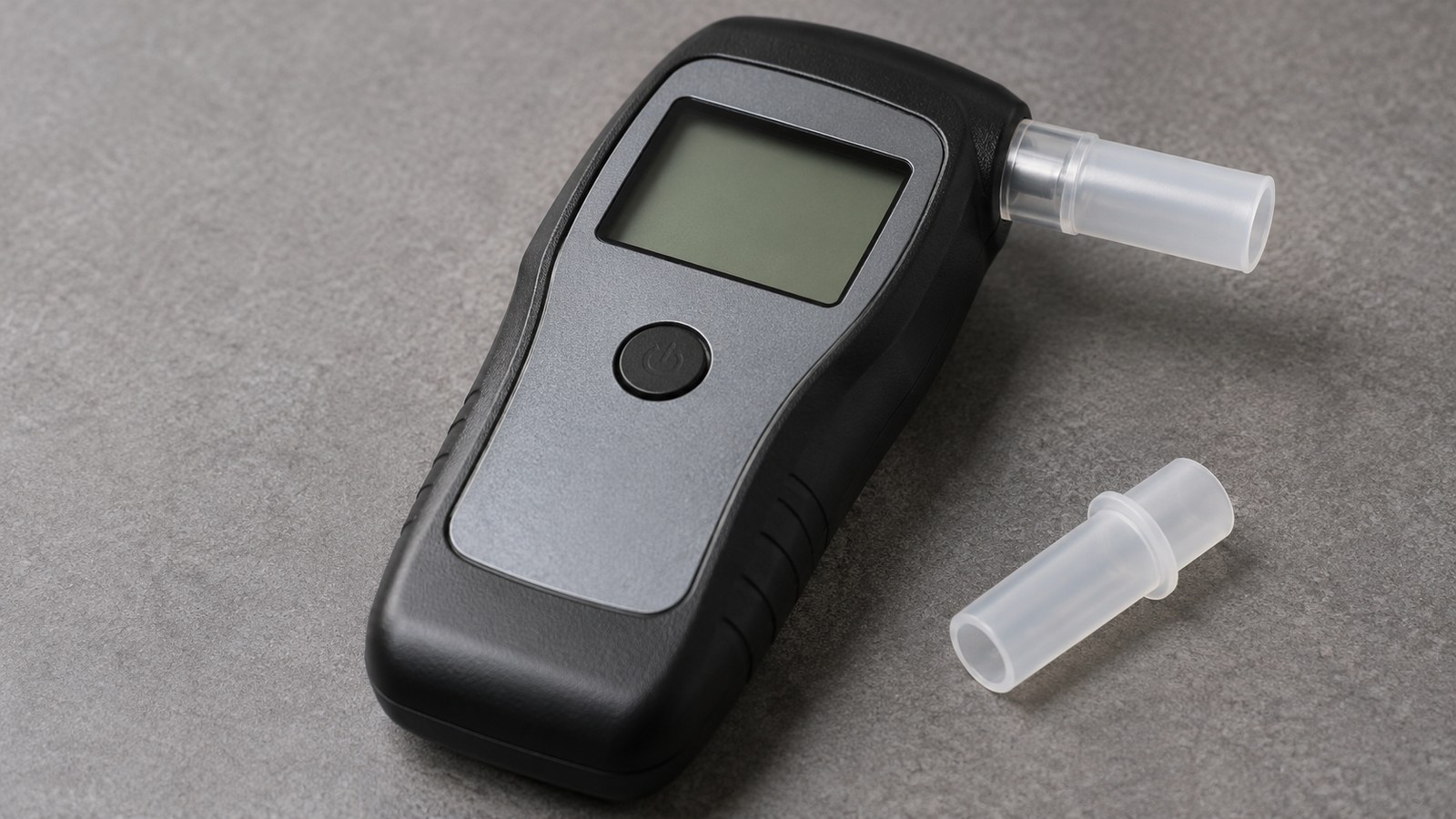
For a first low-range PCA offence dealt with in court, the maximum fine is $2,200. The maximum for a first mid-range offence is also $2,200, with up to nine months of imprisonment; for a first high-range offence, it is $3,300 and up to 18 months of imprisonment. These are court maxima, not standard infringement amounts. A financial penalty and a restriction on driving are separate consequences. Paying a penalty notice does not necessarily restore the right to drive. Similarly, completing a period of disqualification may not automatically satisfy all the requirements for obtaining a valid licence again.
For some first offences in these categories, police may issue a penalty notice instead of requiring an immediate court appearance. An immediate licence suspension can also apply. There are circumstances where the matter proceeds to court, and repeat offending can change the available procedure and penalties.
Do not assume the notice is equivalent to an ordinary parking infringement. Check each document for the offence, payment or election options, effective date of suspension and any stated review or appeal process. A solicitor can explain the legal implications of the choices available before you take a step that may affect your position.
A mid-range offence generally involves a court process and potentially significant restrictions on driving. An alcohol interlock order is an important consideration, including for first offenders. The court considers the relevant statutory framework and individual circumstances when determining the outcome.
If you drive for employment, identify how the restrictions would affect your work, but do not assume that employment hardship entitles you to continue driving. Work requirements can be relevant information without overriding mandatory legal rules.
High-range PCA is treated seriously. The potential consequences include substantial fines, loss of driving privileges and imprisonment. The result depends on the circumstances and the applicable law; the maximum available punishment is not necessarily the sentence imposed in an individual case.
A person charged with a high-range offence should obtain legal advice promptly. This is particularly important where there has been a collision, another charge, an existing driving restriction or a relevant previous offence.
The NSW Government’s drink and drug driving penalty schedule sets out the current categories and applicable penalty information. Check it rather than relying on an old screenshot or a fixed dollar figure from an outdated article.
These words are often used interchangeably in conversation, but the difference matters. A police suspension is an immediate administrative restriction that can prevent you from driving before a matter reaches court. A court disqualification is a restriction arising from a court outcome.
If you are suspended, the existence of a future hearing date does not mean you can drive until that date. Read the suspension notice carefully and confirm your actual licence status with the relevant authority. If you are unsure whether you can lawfully drive, arrange alternative transport until the position has been clarified.
A court may take account of relevant time already spent under suspension when determining how a disqualification operates, subject to the applicable rules. Do not calculate your own return-to-driving date simply by adding the number of months mentioned during a hearing. Obtain confirmation of the dates and any further requirements.
For drivers who receive both a notice and a court document, keeping the two together helps a solicitor identify which decisions have already been made and which issues remain open.
An alcohol interlock is a device connected to a vehicle’s ignition system. It requires a breath sample as part of the process of operating the vehicle. Interlock obligations are intended to reduce alcohol-related reoffending, and the relevant order may require an initial period of disqualification followed by a restricted licence period.
For someone who shares a vehicle with a partner or uses an employer’s vehicle, the practical arrangements can be complicated. Consider vehicle access, installation and servicing costs, the availability of an appropriate vehicle and the effect on work travel. Do not assume a standard licence permits driving any vehicle during an interlock period.
There are limited circumstances in which an exemption may be available. An exemption is not automatic merely because the equipment would be inconvenient or expensive. Obtain advice about the statutory requirements and what a different order would mean for the overall period of driving restrictions.
Relevant previous offending may affect how a new offence is classified for sentencing purposes. A prior matter that seemed minor at the time can become important when assessing the consequences of a later charge.
Bring your driving record and details of any earlier court outcomes to your consultation. If an offence occurred in another jurisdiction, disclose that information rather than assuming it is irrelevant. The precise effect of previous convictions depends on the statutory definitions and circumstances.
A first offender should also avoid treating a clean record as a guarantee of leniency. A good driving history may be relevant, but so are the seriousness of the offence, the applicable legal requirements and other circumstances. A lawyer can explain what information may assist the court and what outcomes are realistically available.
Read the documents issued by police and note any hearing, payment or response dates. Keep copies of the suspension notice, charge details and any other relevant paperwork. Arrange a lift, taxi or other transport instead of risking further offending while your licence status is uncertain.
Write down the events while your recollection is fresh. Note the relevant circumstances, what documents you received and any statements you remember making. Distinguish what you recall clearly from what you are unsure about. Do not alter records or encourage someone else to provide an inaccurate account.
If the charge involves another allegation, an injury or a collision, tell your solicitor at the beginning. The matters may need to be considered together rather than as isolated issues.
A legal consultation should address the charge, the evidence, any available legal issues and the consequences of the different procedural choices. Where a court hearing is required, ask what documents should be prepared and whether you need to attend in person.
Alpha Success Legal provides criminal and traffic law services in Norwest. Advice tailored to the documents you have received is more useful than trying to match your circumstances to another person’s online account of a court outcome.
Preparation is not about promising a particular result. It involves making sure the relevant information is accurate, organised and available when needed. A solicitor may ask for a driving history, employment details, character references or evidence of appropriate steps you have taken since the incident.
Character references should be genuine and should not mislead the court. If a referee knows about the charge, the reference should reflect that honestly. Do not ask someone to minimise an incident they did not witness or to make claims about your conduct that they cannot support.
It may also be appropriate to discuss a recognised traffic offender education program or other suitable support. Participation alone does not guarantee a reduced penalty. The relevance of any program will depend on the individual case.
If you have a medical condition, significant caring responsibilities or unusual employment arrangements, discuss the evidence needed to explain those circumstances. A concise, supported account is generally more useful than a lengthy unsupported statement about hardship.
Losing the ability to drive can affect several parts of daily life at once. A practical plan might include discussing temporary duties with an employer, organising school transport, identifying public transport routes and reviewing arrangements for medical appointments.
Self-employed drivers may need to assess whether another person can lawfully undertake deliveries or travel to appointments. Do not assume that driving only for work, driving a short distance or using a different vehicle avoids a suspension or disqualification.
Budget for transport alternatives, legal costs, time away from work and interlock-related charges.
Not if an effective suspension or other restriction prevents you from driving. Check the notice and your current licence status. A pending hearing does not itself provide permission to drive.
The outcome depends on the offence, the process and the court’s available powers where the matter is heard in court. A first offence does not guarantee a non-conviction outcome. Obtain advice about the consequences of your specific notice or charge.
Employment hardship does not automatically remove a legal driving restriction. Ask a solicitor whether any appeal or other procedure is available in your circumstances and continue to comply with restrictions unless lawfully changed.
Confirm the end of the applicable restriction and whether you need to apply for a licence, satisfy interlock obligations or meet other conditions. Do not drive solely because the period stated in an earlier document appears to have expired.

A drink driving charge can be stressful, but decisions are easier to manage when you understand the legal process and the practical restrictions that apply. Read the notices, comply with any driving prohibition and seek advice early enough to consider your options.
You can learn more about Alpha Success Legal, review the firm’s legal practice areas or contact its Norwest office to discuss a traffic matter.
This article is general information about NSW law and does not replace legal advice. The safest approach is not to drink before driving.


